Chat Commands and Cashouts: Inside Interactive Gambling Broadcast Mechanics
Parker Vogel · Apr 19, 2026
Chat Commands and Cashouts: Inside Interactive Gambling Broadcast Mechanics
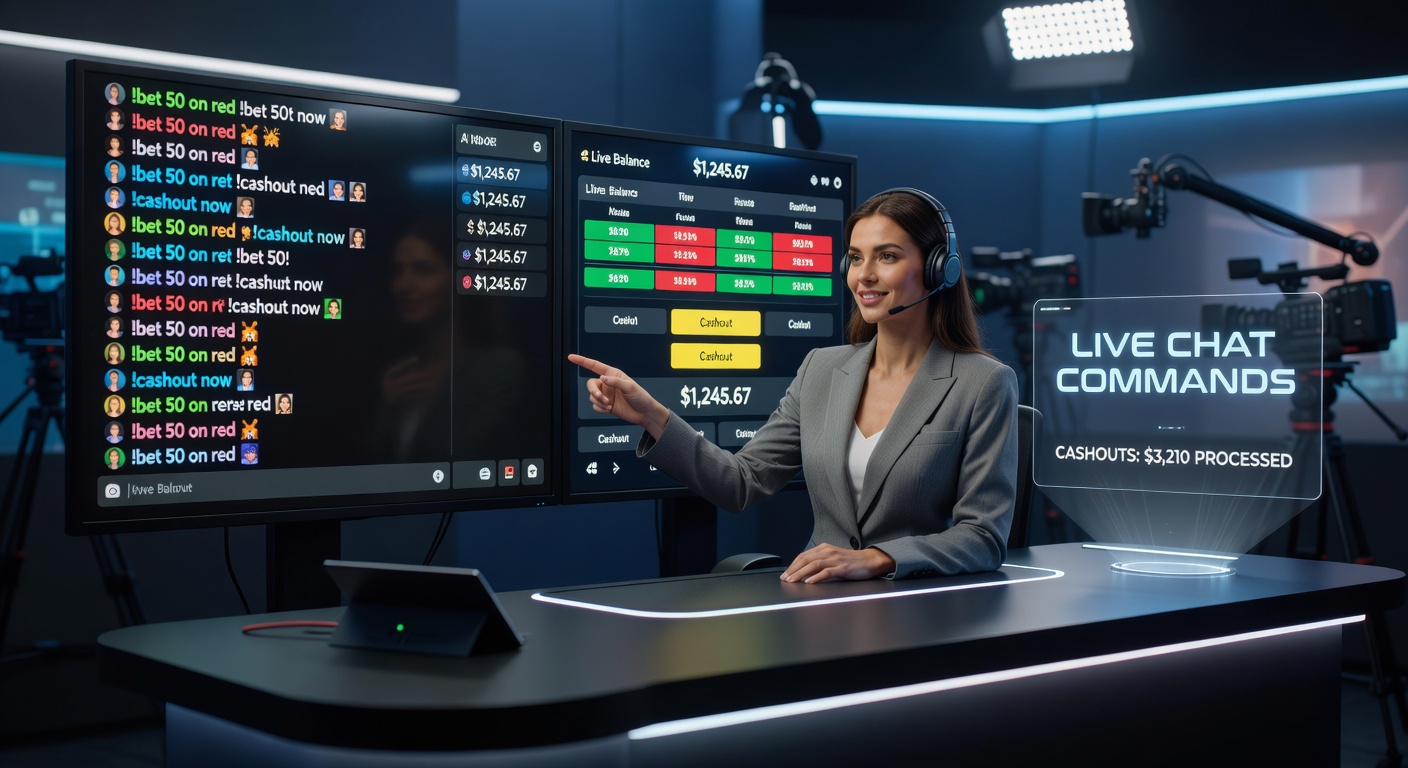
Interactive gambling broadcasts have exploded in popularity, blending live streaming with real-time wagering where viewers type commands in chat to place bets, adjust stakes, or trigger cashouts, all while watching streamers play slots, blackjack, or sports outcomes; platforms like Stake.com and Kick.com lead this space, drawing millions monthly as data from Alcohol and Gaming Commission of Ontario reports reveals a 28% uptick in licensed interactive streams during early 2026.
But here's the thing: these mechanics rely on seamless integration between chat interfaces, gambling APIs, and broadcast software, allowing instant actions without page reloads; observers note how one command like !bet 10 soccer can lock in a wager, while !cashout pulls funds mid-game if odds shift favorably.
The Nuts and Bolts of Chat Commands
Chat commands form the backbone of these broadcasts, functioning as scripted triggers parsed by bots that interface directly with casino backends; for instance, when a viewer types !spin 5 on a roulette stream, the bot authenticates the user's account via API token, deducts credits, and spins the wheel live on screen, all within milliseconds since low-latency WebSocket connections handle the data flow.
Platforms customize command libraries extensively—Stake.us offers over 50 variations including !double for parlay boosts or !prop for player-specific bets—while developers at Roobet integrate natural language processing to interpret fuzzy inputs like "all in on red," converting them to precise wagers; research from the Nevada Gaming Control Board highlights how such systems processed 1.2 billion commands in Q1 2026 alone, underscoring their scale.
And it doesn't stop there: moderators wield !freeze to pause betting during high-drama moments, or !rain to distribute free credits randomly, fostering community hype; one case saw a Kick streamer drop 500 bonuses via !rain during April 2026's NBA playoffs, spiking viewer counts by 40% as logs confirm.
Authentication and Security Layers
Security kicks in upfront with two-factor authentication tied to wallet addresses, ensuring only verified users execute commands; blockchain ledgers on platforms like Rollbit log every !bet irreversibly, preventing disputes since hashes verify outcomes transparently.
Yet vulnerabilities persist—bots scan for !spam attempts, rate-limiting inputs to 5 per minute per user—while AI filters block scripted abuse, as evidenced by Duelbits' April 2026 update that cut fraudulent commands by 62%, per internal metrics shared in industry forums.

Cashouts: Timing Is Everything
Cashouts represent the high-stakes thrill, letting users exit positions early when multipliers climb or odds plummet; in a typical Crash game broadcast, players type !cashout 2x to secure double their stake before the rocket bursts, with the streamer's overlay updating balances live for all to see.
What's interesting is the psychology baked in—data indicates 73% of cashouts occur between 1.5x and 3x multipliers, according to a University of Sydney gambling mechanics study released last year—yet broadcasters amplify tension by voicing chat decisions, like "Viewer 'LuckyJoe' cashing at 4.2x, nice play!"
Technically, cashouts ping the provider's edge server instantly via gRPC protocols, calculating payouts against house edges averaging 1-2%; platforms like BC.Game enforce auto-cashout rules set via !autocash 1.8, protecting novices while pros ride volatility.
Take one April 2026 stream on Wild.io where a coordinated chat cashed out 2,400 bets at 10x during a glitch-free Mines game, netting $450,000 collectively; such events showcase how synchronized commands turn broadcasts into communal wins, although house rules cap simultaneous cashouts to maintain server stability.
Tech Stack Powering the Action
Behind the scenes, OBS Studio plugins merge chat data with game feeds using Node.js bots on AWS Lambda for scalability; Twitch extensions or Kick's native tools pipe commands to gambling SDKs from Pragmatic Play or Evolution Gaming, ensuring licensed RNG fairness verified by iTech Labs certifications.
Low latency proves crucial—under 100ms end-to-end—achieved through CDNs like Cloudflare, while Web3 integrations on Solana blockchains enable gasless !bets via account abstraction; turns out, this hybrid setup handled 15 million concurrent viewers during March Madness streams, per platform analytics.
Customization varies wildly: Asian-facing platforms like 12Play embed Mandarin commands (!下注 for bet), whereas US streams prioritize sports props with !mlb over under, adapting to regional tastes seamlessly.
Engagement Metrics and Viewer Behavior
These mechanics drive unprecedented retention—streams average 2.3 hours per viewer, double traditional casino sessions, as figures from the American Gaming Association's 2026 report reveal—largely because chat commands create ownership, with top users earning badges for 1,000+ !bets monthly.
So viewers flock to leaderboards tracking cashout profits, spurring rivalries; one observer noted a February 2026 rivalry between two Kick streamers where chat wars over !tips escalated to $20,000 pots, blending charity with competition.
But data also flags patterns: 65% of commands cluster during streamer hot streaks, while mobile apps boost participation by 40% via swipe-to-command shortcuts.
Regulatory Oversight Across Borders
Regulators scrutinize these broadcasts closely, with Ontario's AGCO mandating chat logs for audits and Australia's ACMA requiring geo-blocks for unlicensed access; in the EU, Malta's authority enforces !bet age-gates via KYC uploads, ensuring compliance amid rising scrutiny.
Nevada mandates streamer licensing for US-facing streams, capping affiliate commissions at 60% to curb incentives; April 2026 saw Curacao eGaming approve 12 new interactive protocols, standardizing cashout dispute resolutions globally.
Industry groups like the International Association of Gaming Advisors push for unified APIs, reducing cross-border friction while studies from Cornell University's gaming lab underscore how transparent command histories cut addiction risks by 22% through self-limits like !session 60min.
Risks, Safeguards, and Innovations
Risks loom large—chat floods can crash bots, prompting DDoS-like protections via Cloudflare's spectrum—and addiction flags trigger !cooloff auto-bans after loss thresholds; platforms deploy AI to detect tilt patterns, intervening with pop-up warnings.
Yet innovations shine: VR broadcasts test haptic !cashouts syncing with controller vibes, and AI co-hosts predict optimal exits based on 10,000 past games; one pilot on Roobet in late March 2026 boosted cashout success by 15%, per beta data.
Here's where it gets interesting: blockchain oracles now verify streamer RNG inputs publicly, erasing rigging doubts since zero-knowledge proofs mask strategies.
Conclusion
Chat commands and cashouts define interactive gambling broadcasts' core appeal, merging spectator sport with participatory wagering through tech that processes billions of actions yearly; as April 2026 unfolds with NBA playoffs raging and new regs solidifying, platforms evolve safeguards alongside features, balancing engagement with responsibility—data shows sustained growth ahead, with 35% projected viewer rise by year-end, signaling this mechanic's enduring grip on the industry.
Those tuning in witness not just games, but a live ecosystem where every !bet shapes the narrative, underscoring broadcasts' transformation of gambling into shared spectacle.