Cross-Border Data Sharing Practices Among Esports Forecast Content Networks and Mobile Operators
Jonas Russell · Aug 2, 2026
Cross-Border Data Sharing Practices Among Esports Forecast Content Networks and Mobile Operators
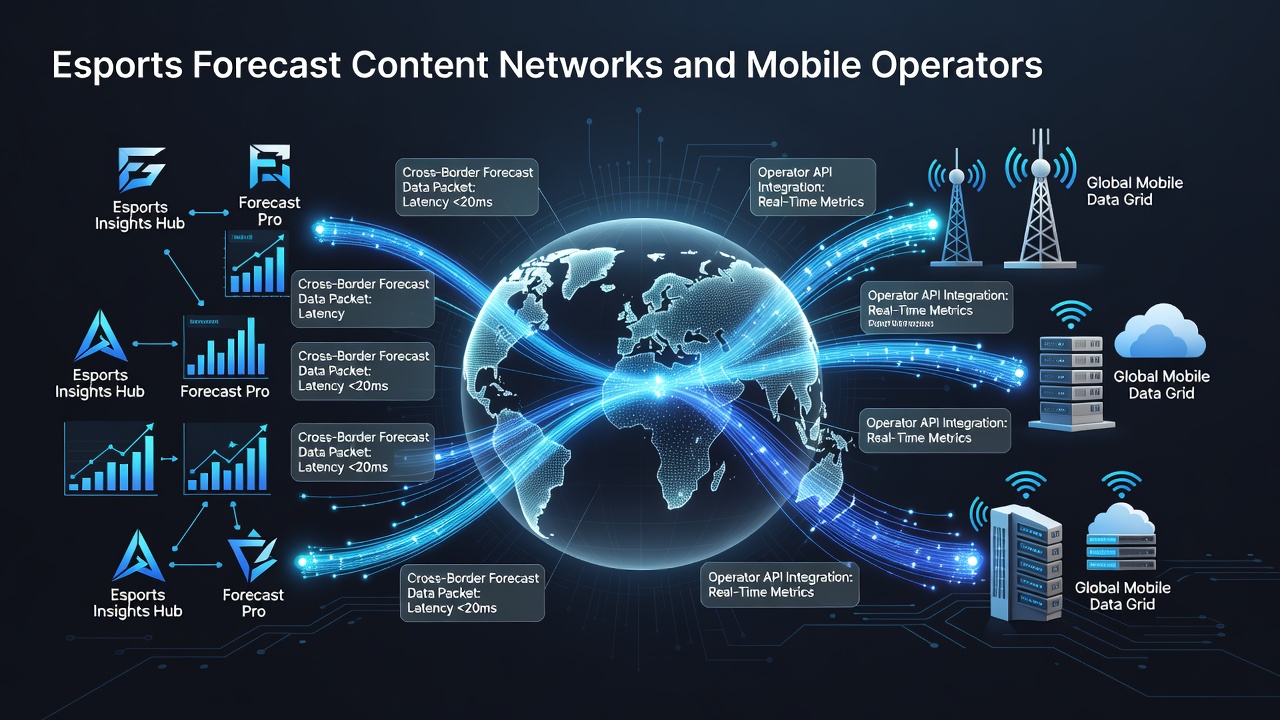
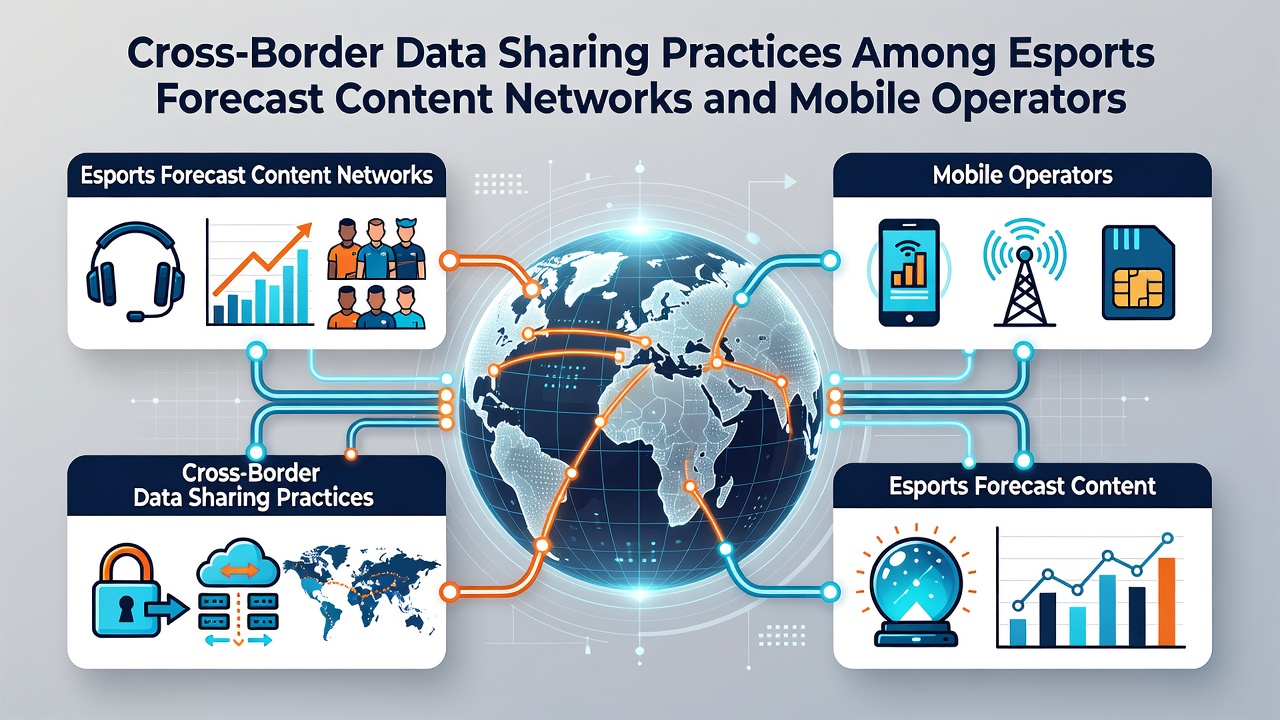
Esports forecast content networks collect viewer data, match predictions, and engagement metrics while mobile operators supply the connectivity infrastructure that delivers this content to users worldwide. In August 2026 these two sectors continued to refine cross-border data sharing arrangements to meet regulatory demands and operational needs. Agreements between the parties often specify how location data, user preferences, and performance statistics move from one jurisdiction to another without violating local privacy statutes.
Regulatory Landscape Shaping Data Exchanges
Multiple frameworks govern these transfers, and operators must align their practices with each region’s rules. The European Union’s data protection requirements mandate explicit consent and data minimization for any transfer outside member states, whereas frameworks in Asia-Pacific countries emphasize localization for certain categories of user information. Mobile operators frequently act as intermediaries, routing forecast streams through servers that comply with both origin and destination rules. When a network based in North America shares prediction analytics with an operator serving Southeast Asian markets, the contract typically includes clauses that reference adequacy decisions or approved contractual templates to maintain lawful flow.
Technical Mechanisms in Use
Encryption standards and tokenization appear regularly in these arrangements. Data packets containing viewer forecasts travel through secure channels that strip personally identifiable elements before they cross borders, and mobile operators apply edge computing to process aggregated trends locally. Application programming interfaces allow forecast networks to request anonymized demographic summaries without receiving raw identifiers. In practice this means a viewer in one country can receive tailored esports match predictions while the underlying data remains protected under the stricter of the two jurisdictions involved.
Industry Examples from 2026
One documented collaboration between a European forecast network and an African mobile operator group used standardized data processing agreements that referenced both regional telecommunications regulations and international data protection guidelines. The arrangement permitted real-time delivery of match forecasts to subscribers while limiting retention of session logs to thirty days. Another partnership, this time involving North American content creators and South American carriers, incorporated audit rights so each party could verify compliance after data transfers occurred. Observers note that such agreements often include breach notification timelines measured in hours rather than days to satisfy the most demanding applicable statute.
Role of Industry Associations and Research Bodies
Groups such as the GSMA have published guidance documents that outline model clauses for data sharing between content providers and network operators. These templates address issues like purpose limitation and onward transfer restrictions. Academic studies from institutions examining digital media flows indicate that forecast networks increasingly rely on differential privacy techniques when exchanging aggregate statistics across borders. Figures from 2025 reports show a measurable rise in the use of federated learning models, where algorithms train on local data sets and only model updates travel between partners.
Operational Challenges and Adjustments
Latency requirements for live esports forecasts create pressure to keep data processing close to the user, yet cross-border rules sometimes force detours through approved hubs. Mobile operators respond by deploying regional gateways that apply jurisdiction-specific filters before any information leaves the original territory. Forecast networks adjust their content delivery by segmenting prediction engines so that only non-sensitive outputs reach foreign servers. When disputes arise over data classification, parties typically escalate to joint review committees rather than halting service immediately.
Future Outlook for Data Practices
By late 2026 additional jurisdictions are expected to finalize rules on algorithmic transparency that could affect how forecast models incorporate data from multiple countries. Mobile operators continue testing zero-knowledge proofs that would allow verification of compliance without exposing the underlying datasets. These developments build on existing patterns where technical standards and contractual safeguards evolve together to support the global distribution of esports prediction content.
Conclusion
Cross-border data sharing between esports forecast content networks and mobile operators rests on layered agreements that balance regulatory compliance with the technical demands of real-time content delivery. Practices documented through mid-2026 demonstrate consistent use of encryption, anonymization, and audit mechanisms across regions. As new statutes emerge, the same collaborative structures that handle current transfers provide a foundation for further adaptation without disrupting service to end users.