Cross-Border Regulations Reshaping Independent Broadcasters in Digital Wagering Spaces
Henrik Ludwig · Jun 21, 2026
Cross-Border Regulations Reshaping Independent Broadcasters in Digital Wagering Spaces
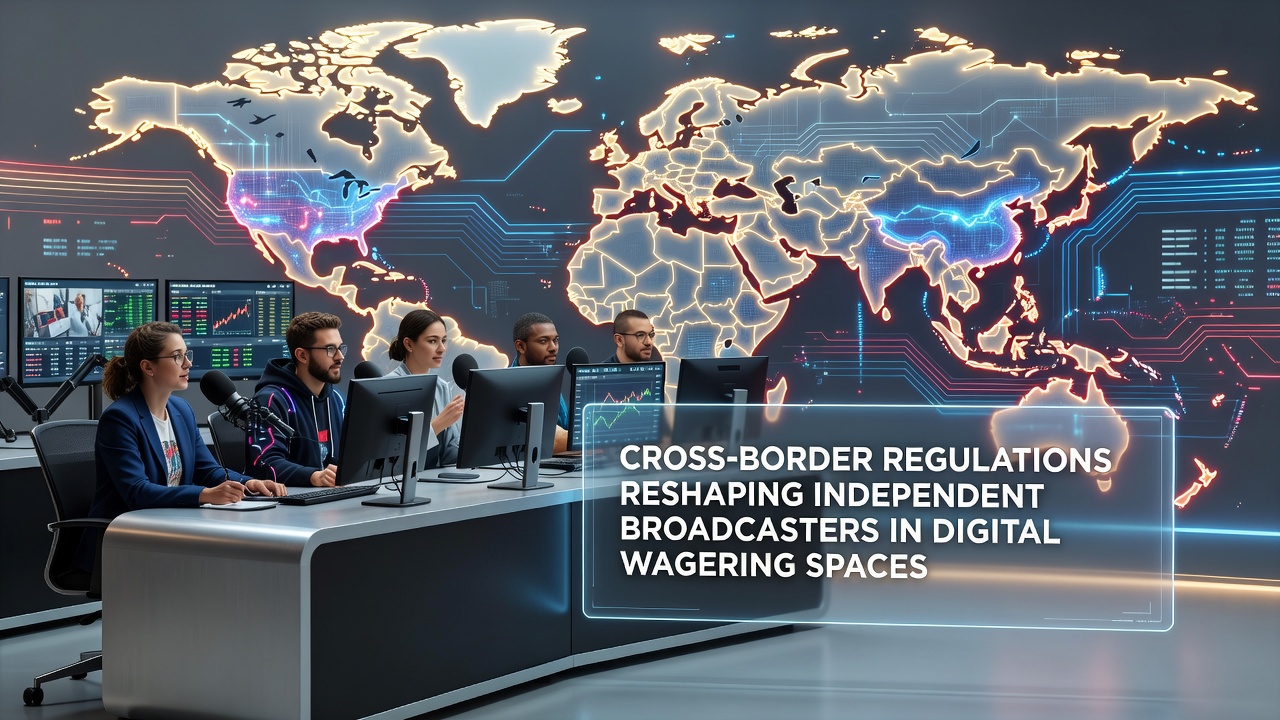
Cross-border regulations have begun to alter how independent broadcasters operate within digital wagering spaces, where live content intersects with betting activities across multiple jurisdictions. Governments and oversight bodies enforce rules on licensing, advertising, and content distribution that often conflict when streams reach audiences in different countries simultaneously. Those who produce wagering-related broadcasts now face requirements to comply with varying standards on data handling, promotional disclosures, and platform accountability.
Regulatory Divergence Across Regions
European frameworks emphasize consumer protection through directives that govern online gambling promotions and streaming services, while North American approaches rely more on state or provincial licensing that creates patchwork obligations for broadcasters. In Asia-Pacific markets, authorities focus on restricting unlicensed foreign operators from targeting local viewers, which affects how independent creators structure their distribution networks. Data from industry reports indicate that these differences force broadcasters to implement geo-blocking tools or segmented content strategies to avoid penalties.
June 2026 saw several jurisdictions introduce updated compliance mandates that directly impact smaller streaming operations. Canadian provincial regulators expanded their oversight to include live digital content featuring wagering elements, requiring registration for any broadcast that solicits bets from residents. Australian communications authorities followed with similar measures aimed at platforms hosting interactive prediction segments. Observers note that these changes build on earlier enforcement actions without overlapping existing sports betting revenue tracking systems.
Operational Impacts on Independent Creators
Independent broadcasters encounter increased administrative burdens when navigating cross-border rules, including mandatory age verification integrations and restrictions on certain promotional mechanics during live sessions. Research from gaming associations shows that many smaller operators have adjusted their production schedules to accommodate real-time compliance checks, which can interrupt viewer engagement flows. Those who maintain audiences across borders often rely on third-party services for automated content moderation that aligns with multiple regulatory codes.
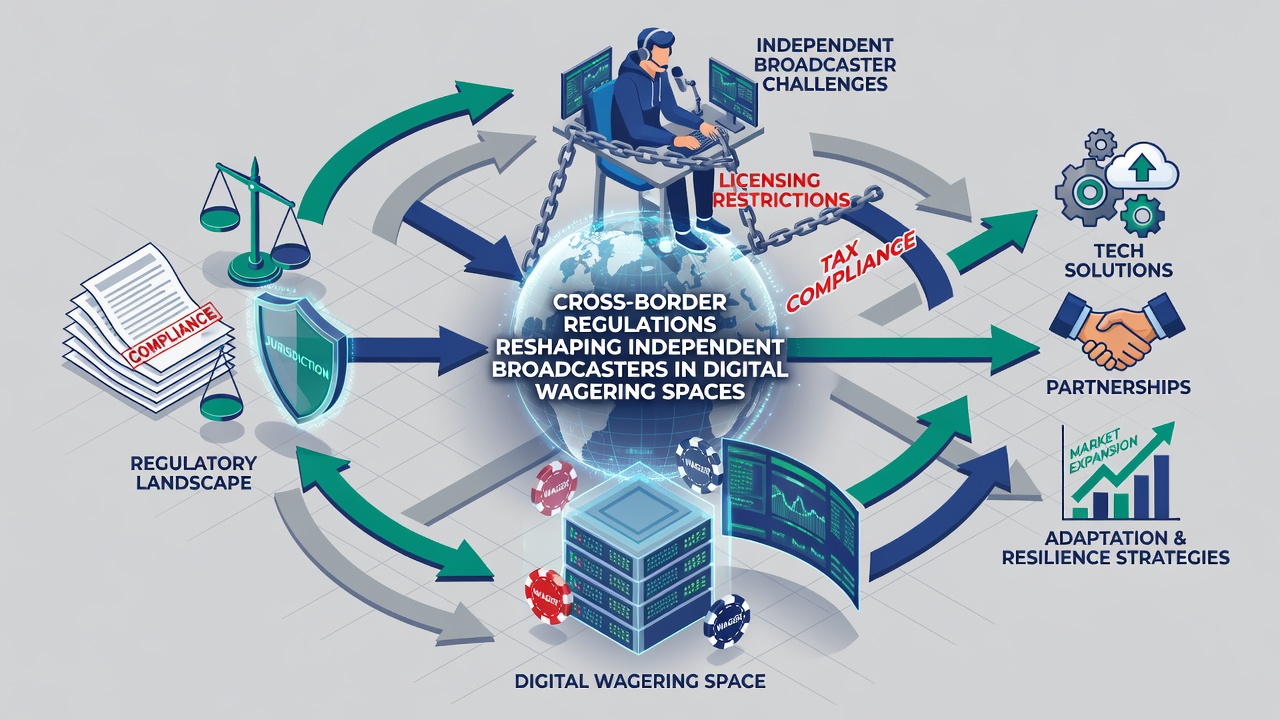
Payment processing presents another layer of complexity, as financial institutions apply stricter due diligence to accounts linked with cross-jurisdictional wagering streams. Figures from trade organizations reveal that transaction delays have prompted some broadcasters to diversify revenue through subscription models rather than direct betting integrations. This shift occurs while platforms continue to refine their algorithms for detecting non-compliant content in real time.
Adaptation Approaches Observed in Practice
Broadcasters have adopted various technical solutions to manage regulatory requirements without halting operations. One approach involves partnering with licensed entities in target markets to host localized versions of streams, which satisfies local advertising standards while preserving core audience reach. Another method centers on enhanced transparency protocols, such as displaying jurisdiction-specific disclaimers at the start of each session. Studies from research institutions indicate these adaptations have allowed certain creators to sustain growth despite tightened rules.
Industry groups have documented cases where independent operators collaborated with academic researchers to analyze compliance patterns across borders. These partnerships produced guidelines that help smaller entities map regulatory overlaps, particularly around data privacy standards that differ between the European Union and North American frameworks. What's interesting is how such collaborations reduce duplication in legal reviews for broadcasters operating on tight budgets.
Emerging Patterns in Enforcement
Enforcement actions have targeted content that crosses borders without proper licensing disclosures, leading to temporary platform restrictions in affected regions. Government agencies in multiple countries coordinate through international forums to share information on non-compliant streams, which accelerates response times. According to reports from international gaming bodies, this coordination has increased the frequency of content takedowns for independent broadcasters who previously operated with minimal oversight.
Yet the landscape continues to evolve as new technologies enable more precise audience segmentation. Broadcasters who implement advanced analytics tools can better align their content with region-specific rules, thereby minimizing exposure to enforcement risks. Data indicates sustained interest in these tools among mid-sized operations seeking to expand without triggering additional regulatory scrutiny.
Conclusion
Cross-border regulations continue to influence the structure and reach of independent broadcasting in digital wagering spaces through licensing, advertising, and data requirements that vary by jurisdiction. Operators respond with technical adaptations and strategic partnerships that maintain compliance while supporting audience growth. As enforcement mechanisms strengthen through international coordination, those involved in this space monitor developments to adjust practices accordingly.