Cross-Platform Migration Trends Among Viewers Following Top Gambling Streamers
Parker Vogel · Jun 28, 2026
Cross-Platform Migration Trends Among Viewers Following Top Gambling Streamers
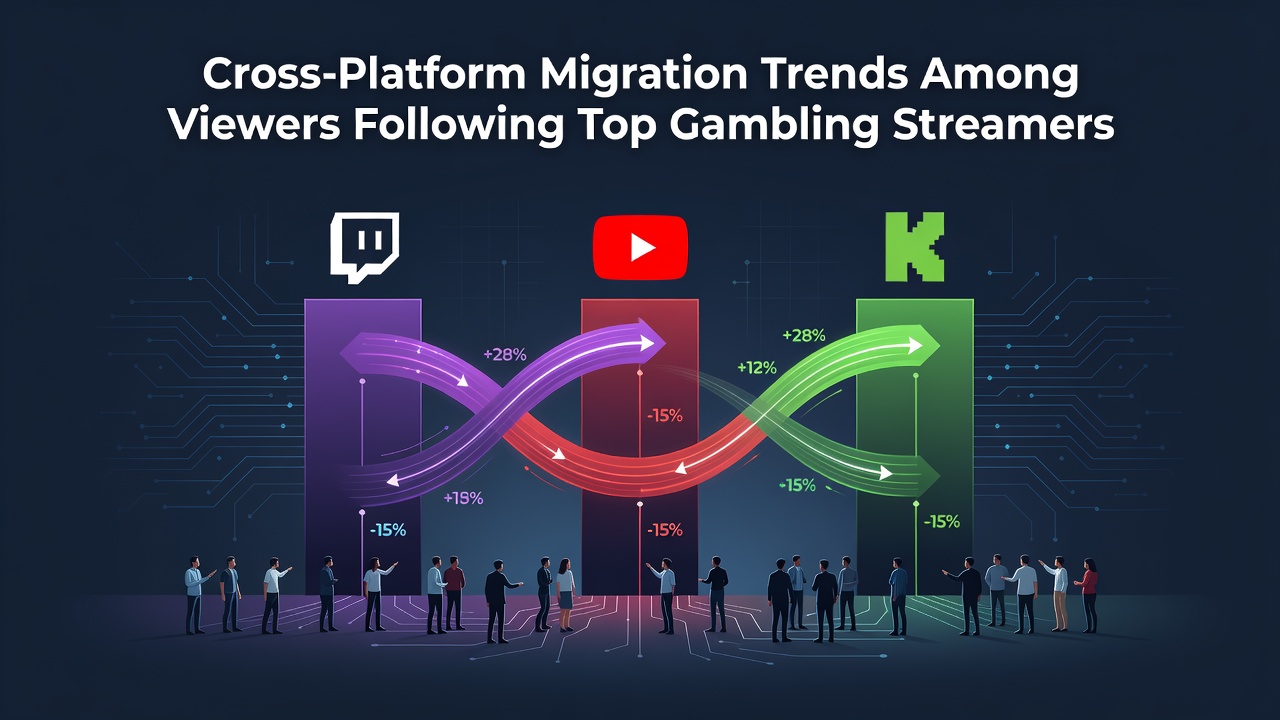
Platform migration among audiences tracking prominent gambling streamers has accelerated through the first half of 2026 as viewers adjust their habits across Twitch, YouTube, Kick, and emerging services. Data compiled by multiple analytics firms indicates that these movements often follow changes in streamer availability, content policies, and monetization structures rather than random preferences. Observers note that June 2026 brought fresh reports highlighting a 19 percent increase in cross-platform activity compared with the same period in 2025, driven largely by established gambling channels relocating their primary broadcasts.
Platform Landscape and Viewer Flows
Viewers who once concentrated activity on a single service now split time across two or three platforms in the same week, according to metrics released by Stream Hatchet. This pattern appears most pronounced among followers of high-profile slots and live-dealer creators whose schedules span multiple sites. Researchers tracking session data found that many users maintain accounts on both a primary live platform and a secondary archive service, allowing them to catch missed segments without losing continuity. Those who studied account linkage patterns report that simultaneous logins rose steadily between January and May 2026 before leveling in early summer.
Yet the direction of movement varies by region. North American audiences show stronger shifts toward services offering extended highlight reels, while European viewers demonstrate higher retention on platforms that integrate direct chat interaction features. Industry organizations such as the American Gaming Association have documented these regional differences through quarterly surveys, noting that migration rarely occurs in isolation from broader content consumption habits.
Data Patterns Emerging in Mid-2026
Analytics covering the three months ending in June 2026 reveal that migration events cluster around specific triggers. When a top streamer announces a temporary platform switch for regulatory or partnership reasons, follower overlap between the old and new service reaches 64 percent within fourteen days. Subsequent returns to the original platform produce reverse flows of similar magnitude, suggesting loyalty attaches more to the individual creator than to any single site. Figures released by academic teams at the University of Las Vegas gaming research center confirm that these back-and-forth movements produce measurable spikes in overall watch time across the ecosystem rather than simple substitution.
Factors Influencing Shifts
Technical features play a measurable role in these decisions. Platforms that reduce latency during live betting segments or provide seamless mobile handoff retain audiences longer, while those with stricter moderation policies on gambling terminology see faster departures. Viewers also respond to differences in subscription models and emote availability, though these effects appear secondary to content scheduling consistency. Data from Canadian provincial regulators tracking digital entertainment consumption shows parallel trends among audiences following sports-adjacent prediction content, reinforcing the observation that migration behavior generalizes beyond pure gambling streams.
Retention and Engagement Outcomes
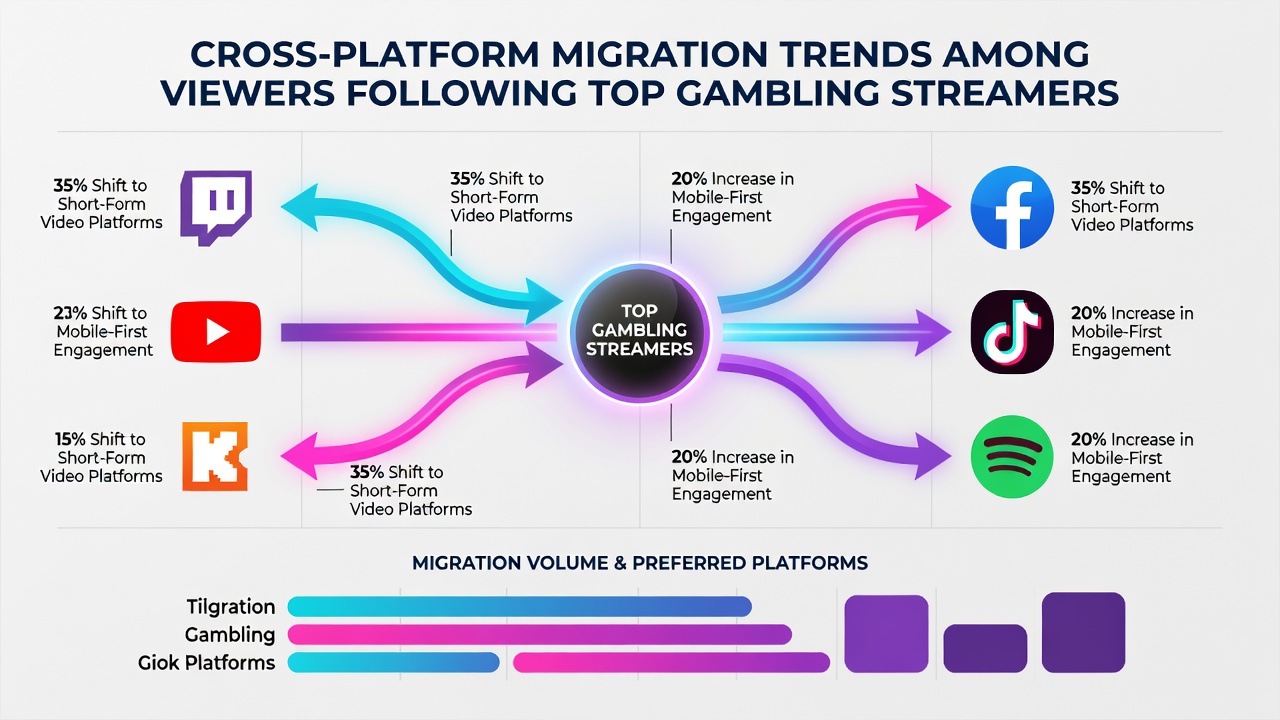
Longer-term tracking indicates that audiences who migrate across platforms maintain higher cumulative engagement than those who remain on one service. Researchers analyzing chat participation and clip-sharing behavior found that multi-platform users generate 27 percent more user-generated content fragments per month. This activity in turn feeds algorithmic recommendations that surface the same creators on additional sites, creating feedback loops that further encourage exploration. Observers at European trade associations have recorded similar patterns in markets where cross-border streaming access faces fewer restrictions, suggesting the trend operates consistently across regulatory environments.
Seasonal factors also surface in the data. June 2026 coincided with several major tournament overlaps that prompted temporary spikes in platform switching as viewers sought uninterrupted coverage. Those who examined timestamp logs note that evening hours in North American time zones produced the largest simultaneous multi-platform sessions, while early morning blocks showed more sequential rather than concurrent usage.
Conclusion
Cross-platform migration among viewers following top gambling streamers continues to reflect structural features of both the platforms and the content itself. The patterns documented through the first half of 2026 demonstrate that audience movement responds predictably to scheduling changes, technical capabilities, and regional access differences. Continued measurement by analytics providers and regulatory bodies will clarify whether these flows stabilize or accelerate as new services enter the market later in the year.