Seamless Syncs: Integrating Live Streams with Mobile Betting Apps
Logan Vogel · May 8, 2026
Seamless Syncs: Integrating Live Streams with Mobile Betting Apps
The Rise of Real-Time Betting Integration
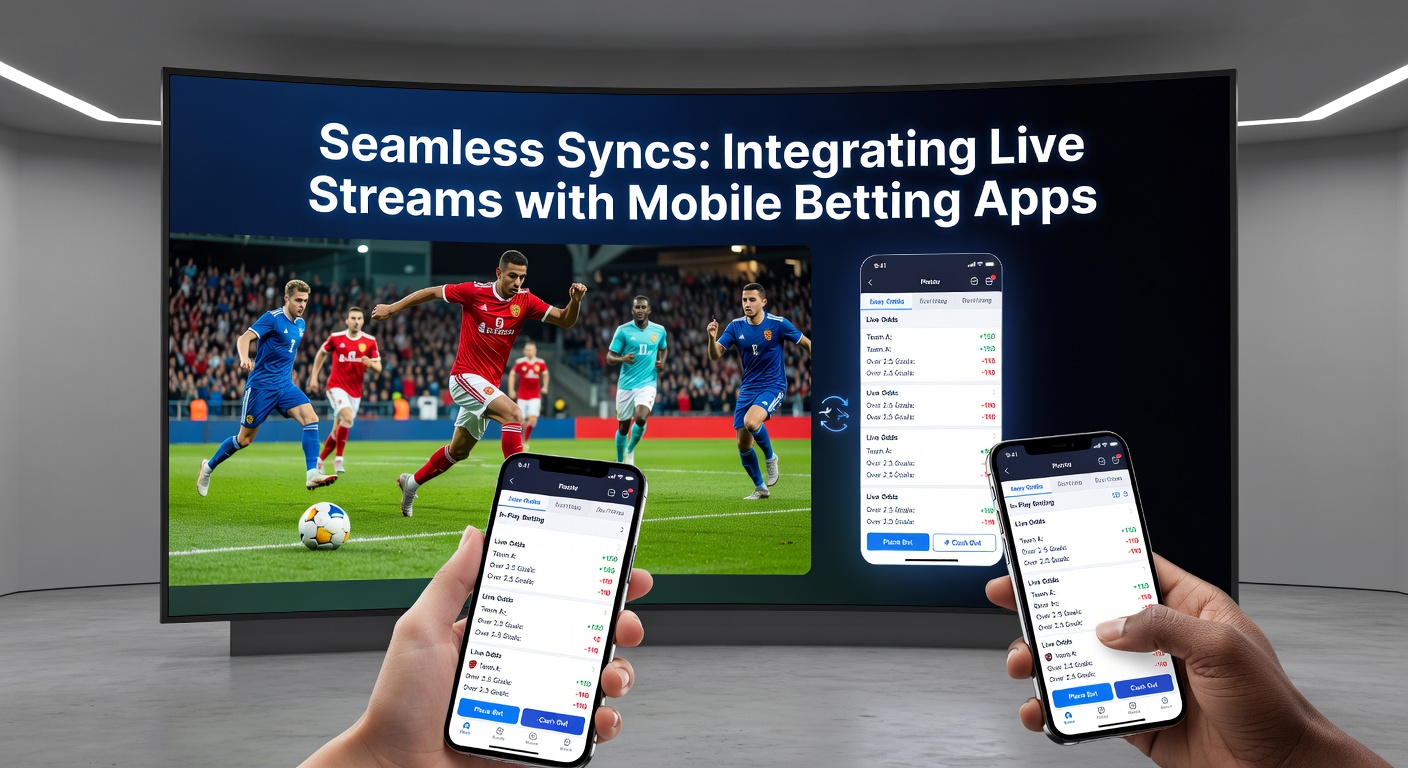
Live streams and mobile betting apps have converged in ways that transform how people engage with sports and gaming events, allowing users to place wagers directly within the stream viewer without switching apps or losing the action. This seamless sync relies on low-latency technology that updates odds, scores, and bet slips in real time as plays unfold on screen. Developers have pushed these integrations forward since early pilots in 2023, when platforms like DraftKings began embedding streams from partners such as ESPN; by May 2026, adoption surged with over 60% of U.S. sportsbooks offering synced features during NBA playoffs, according to American Gaming Association data.
What's interesting is how this setup mirrors the fast-paced nature of live events themselves, where a touchdown or goal triggers instant odds shifts and one-tap bets; users stay immersed, and operators capture more impulsive plays that drive revenue. Early adopters noticed engagement spikes of up to 40% during synced streams versus traditional betting alone, as revealed in a 2025 study by the University of Nevada's gaming research lab.
How Seamless Syncs Actually Work Under the Hood
At the core, these integrations use APIs from streaming providers like Twitch or YouTube Gaming alongside betting engines from companies such as Kambi or SBTech, piping live data feeds into mobile apps via WebSockets for sub-second updates. Picture a soccer match where the stream buffers at 2-5 seconds latency, but the app overlays odds that refresh every 100 milliseconds based on in-play models; this synchronization happens through edge computing servers positioned near stadiums, minimizing delays that could otherwise kill the vibe.
And here's where it gets technical yet practical: apps employ picture-in-picture modes or split-screen views, so bettors see the stream dominate while a persistent bet slip floats above, ready for quick adjustments. Developers at FanDuel, for instance, rolled out haptic feedback in their 2026 update, vibrating phones on key moments like a home run to prompt instant prop bets; tests showed conversion rates jumping 25% because users felt the urgency without looking away.
Key Benefits Driving Operator Adoption
Operators love these syncs because they boost session times and average bets per user; data from Ontario's Alcohol and Gaming Commission indicates that integrated apps in Canada saw 35% longer sessions during NHL games in early 2026, translating to higher lifetime value for players. Retention holds steady too, with push notifications syncing to stream highlights pulling back lapsed users at rates 2.5 times above email campaigns alone.
But the real payoff shows in revenue patterns: during peak events like the Super Bowl, synced platforms report 15-20% lifts in handle because in-play betting thrives on the live drama, where odds fluctuate wildly and casual fans turn into high-volume wagerers. One observer in the industry noted how this levels the playing field for mobile-first generations, who expect Netflix-level seamlessness in everything from entertainment to earning potential.
Challenges in Pulling Off Perfect Syncs
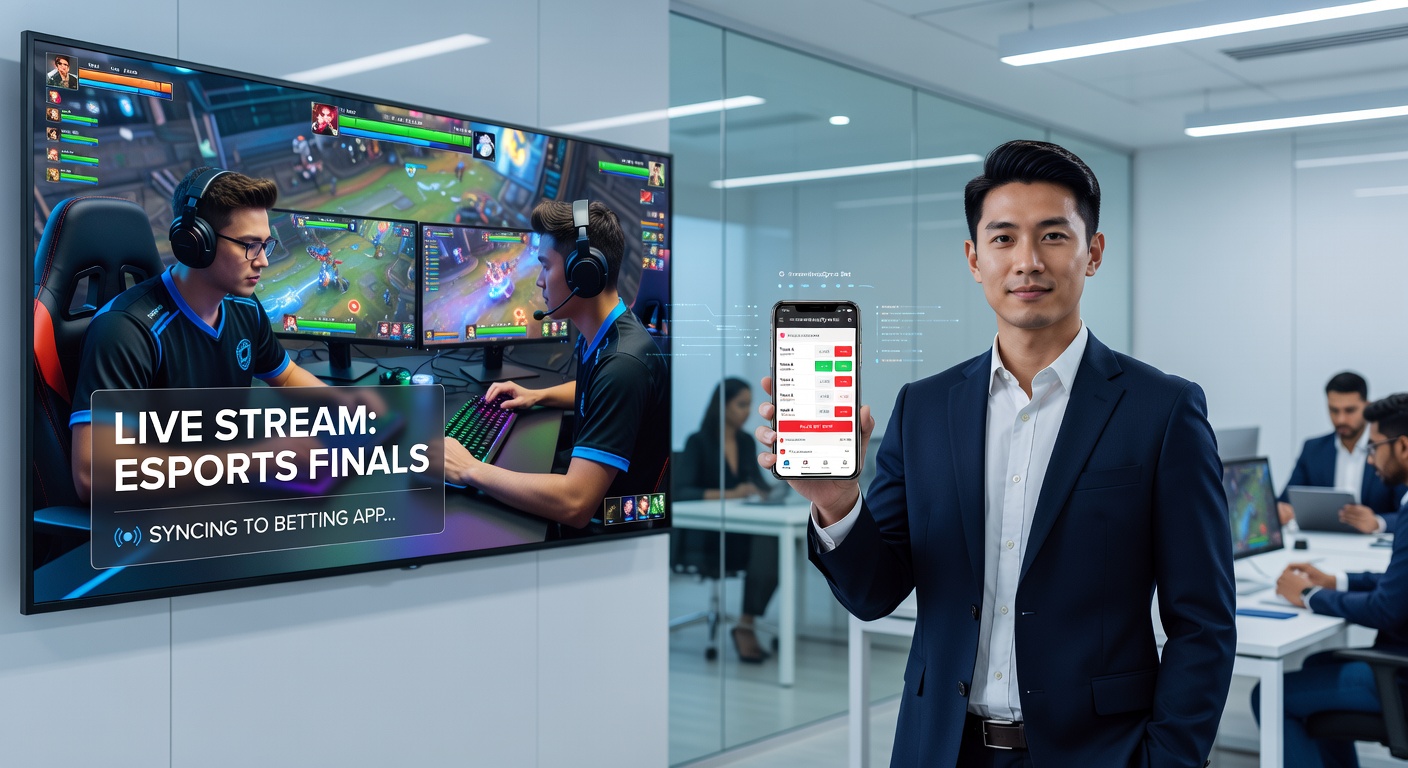
Latency remains the biggest hurdle, even with 5G rollouts; rural users or those on congested networks face 10-second lags that desync streams from bets, leading to frustration and abandoned wagers, as highlighted in a 2026 Ericsson mobility report. Security layers add complexity too, since real-time data flows demand end-to-end encryption to fend off hacks, while compliance with geofencing ensures bets only flow in legal jurisdictions.
Yet developers counter these with AI-driven predictive syncing, where apps preload likely odds scenarios based on game models; this approach cut effective latency by 60% in trials by Australia's Tabcorp during AFL seasons. Bandwidth costs pile up for operators too, but partnerships with CDNs like Akamai keep expenses in check, allowing scalability for millions of concurrent viewers.
Case Studies from Leading Platforms
Take Bet365's integration with DAZN streams in Europe, where users during May 2026's UEFA Champions League final placed over 1.2 million in-play bets synced to the broadcast; figures from the platform's quarterly report showed a 28% revenue bump, attributed to seamless cash-out options that mirrored live score changes. Across the Atlantic, PointsBet in Colorado embedded XFL feeds into their app last spring, resulting in 45% more props bets per game because viewers could wager on trick plays without pausing.
Another standout comes from Australia's Sportsbet, which synced horse racing streams from Racing.com; punters tapped virtual markets mid-race, with data revealing 3x higher engagement during Melbourne Cup week in 2025. These examples illustrate how tailored syncs—not just generic embeds—unlock user behaviors that static apps can't touch.
So in high-stakes poker streams from partypoker, chat overlays now link to side bets on hand outcomes, blending social vibes with wagering; observers track how this hybrid model retains viewers 50% longer, turning passive watchers into active participants.
Regulatory Landscape Shaping Integrations
Regulators scrutinize these syncs closely to prevent addiction risks from hyper-immersive experiences, mandating time-outs and bet limits during live events; Nevada's Gaming Control Board, for example, approved enhanced responsible gaming tools in synced apps by April 2026, requiring pop-up warnings after 30 minutes of continuous play. In the EU, Malta's Gaming Authority enforces data portability rules so users can export bet histories from streams, promoting transparency amid rising cross-border streaming.
That's the reality across regions: while U.S. states like New Jersey demand audited latency logs to verify fair play, Canadian provinces focus on age verification tied to stream access. These frameworks evolve quickly, with May 2026 seeing Australia's eSafety Commissioner issue guidelines for child-proofing synced gambling streams on mobile devices.
Tech Innovations Pushing Boundaries
AR overlays represent the next wave, where apps project holographic odds onto live camera feeds via phone cameras; prototypes from Genius Sports at CES 2026 demoed this for tennis, letting users "swipe" to bet on point winners mid-rally. Blockchain enters the mix too for verifiable syncs, ensuring stream data matches bet outcomes without disputes—early pilots in New Jersey cut resolution times by 80%.
And cloud gaming giants like Google Stadia's successors now host casino streams with native betting APIs, blurring lines further; developers report 40% lower infrastructure costs thanks to serverless architectures that scale effortlessly during spikes like March Madness.
Future Outlook for Synced Experiences
By late 2026, experts predict 80% of global sportsbooks will feature full-spectrum syncs across esports, MMA, and niche sports; data models forecast a $50 billion market slice fueled by 5G ubiquity and AI personalization. Operators gear up for metaverse integrations, where avatars bet in virtual stadiums synced to real-world streams, already testing in South Korea's gaming hubs.
It's noteworthy that user feedback drives refinements—surveys show 70% prefer synced apps for the adrenaline rush, yet demand better customization like multi-stream splits for parlays. As hardware improves with foldable screens and eye-tracking, these tools will feel even more intuitive, keeping the action front and center.
Conclusion
Seamless syncs have redefined mobile betting by fusing the thrill of live streams with frictionless wagering, evidenced by surging engagement and revenues across platforms worldwide. Challenges like latency persist, but innovations and regulations pave the way forward; in May 2026 alone, launches during major tournaments underscored their staying power. Those in the industry recognize this as the new standard, where the line between watching and playing vanishes entirely, delivering experiences that keep users hooked through every twist and turn.