Senate Panel Examines Sports Betting Expansion and Prediction Market Oversight
Drew Meier · May 22, 2026
Senate Panel Examines Sports Betting Expansion and Prediction Market Oversight
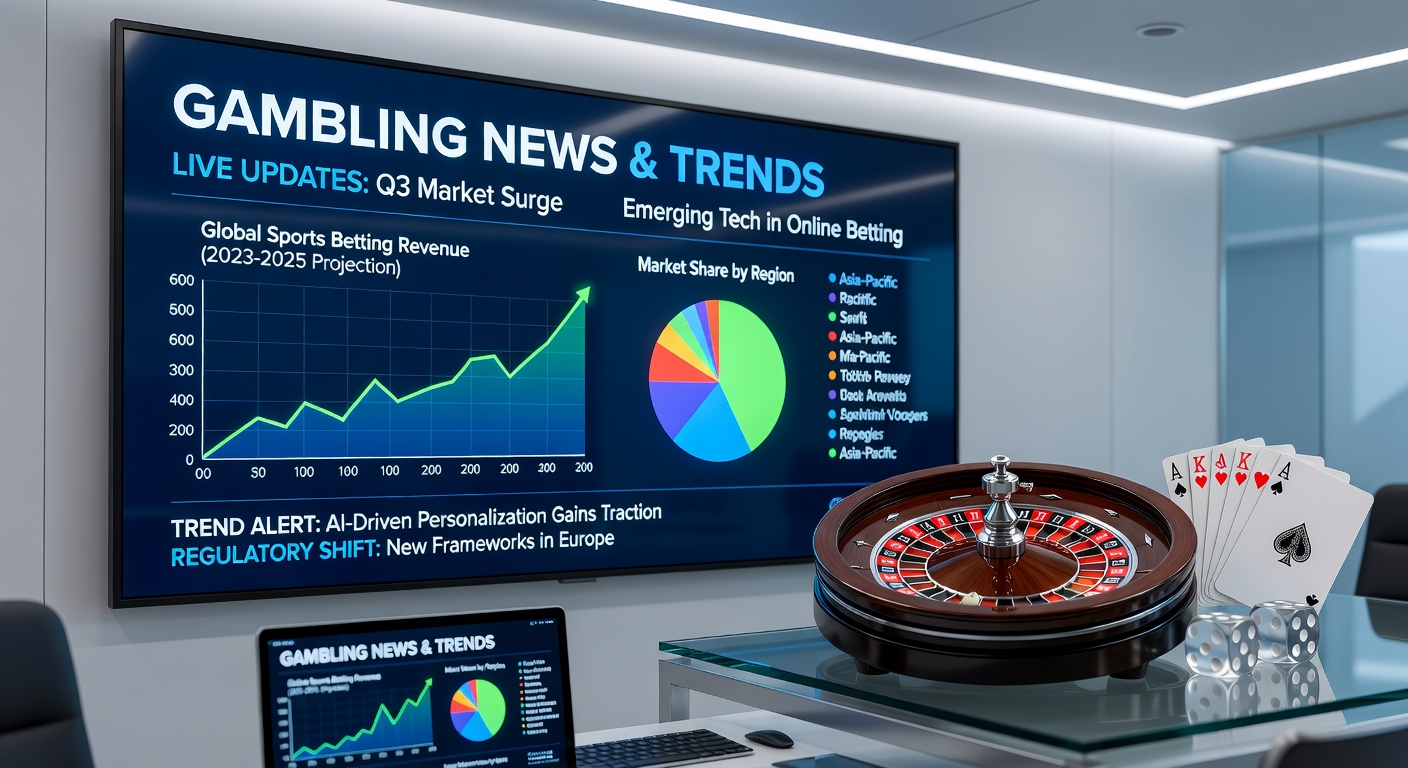
A subcommittee under the Senate Commerce, Science and Transportation Committee convened a hearing to review the expanding influence of sports betting across professional and collegiate sports, and lawmakers addressed recent allegations of game-fixing that have surfaced in the NBA, MLB and NCAA. The session focused on potential steps toward stronger federal oversight of online wagering platforms and prediction markets, including companies such as Kalshi and Polymarket, which operate in areas that some officials believe fall outside conventional gambling rules.
Sens. Marsha Blackburn and Ted Cruz participated in the discussion, where they highlighted integrity risks and questions about insider trading that arise when prediction markets allow bets on sports outcomes. Committee members reviewed how these platforms have grown since states began legalizing sports wagering after the 2018 Supreme Court decision, and they examined whether existing federal frameworks require updates to cover new forms of event contracts.
Hearing Details and Legislative Focus
During the proceedings, senators heard testimony about the volume of wagers placed through licensed operators and unregulated prediction markets, while data presented showed steady increases in participation across multiple states. Blackburn raised points about consumer protection measures and the need for clearer definitions that distinguish between traditional betting and event contracts offered by platforms like Kalshi, and Cruz asked questions regarding enforcement authority held by the Commodity Futures Trading Commission over certain prediction products. The subcommittee considered proposals that would expand reporting requirements for operators and strengthen coordination between federal agencies and state regulators.
Observers note that the hearing built on earlier inquiries into sports integrity, and participants reviewed case examples from recent seasons where betting-related investigations led to player suspensions or team reviews. Lawmakers discussed how collegiate athletics face unique challenges because of varying state laws and the large number of events that attract wagers each week, and they explored options for uniform standards that could apply nationwide without disrupting existing state licensing systems.
Scandals and Integrity Concerns
Recent allegations in the NBA, MLB and NCAA formed a central part of the testimony, with officials describing how betting activity on individual player statistics or game outcomes can create incentives for misconduct. Committee staff presented timelines of investigations that linked certain wagers to information obtained through team personnel or betting syndicates, and senators asked whether current monitoring tools used by leagues and operators provide enough early detection. The discussion included references to how prediction markets allow participants to trade contracts on future events, which some witnesses argued blurs lines between speculation and direct gambling on athletic performance.
Experts have observed that the growth of online platforms has outpaced updates to federal statutes originally written for other forms of gambling, and the hearing examined whether prediction markets should fall under the same licensing and age-verification rules applied to sportsbooks. Data from state regulators showed rising complaint volumes related to account access and payout disputes, while league representatives described internal compliance programs designed to flag unusual betting patterns on their events.
Regulatory Proposals Under Review
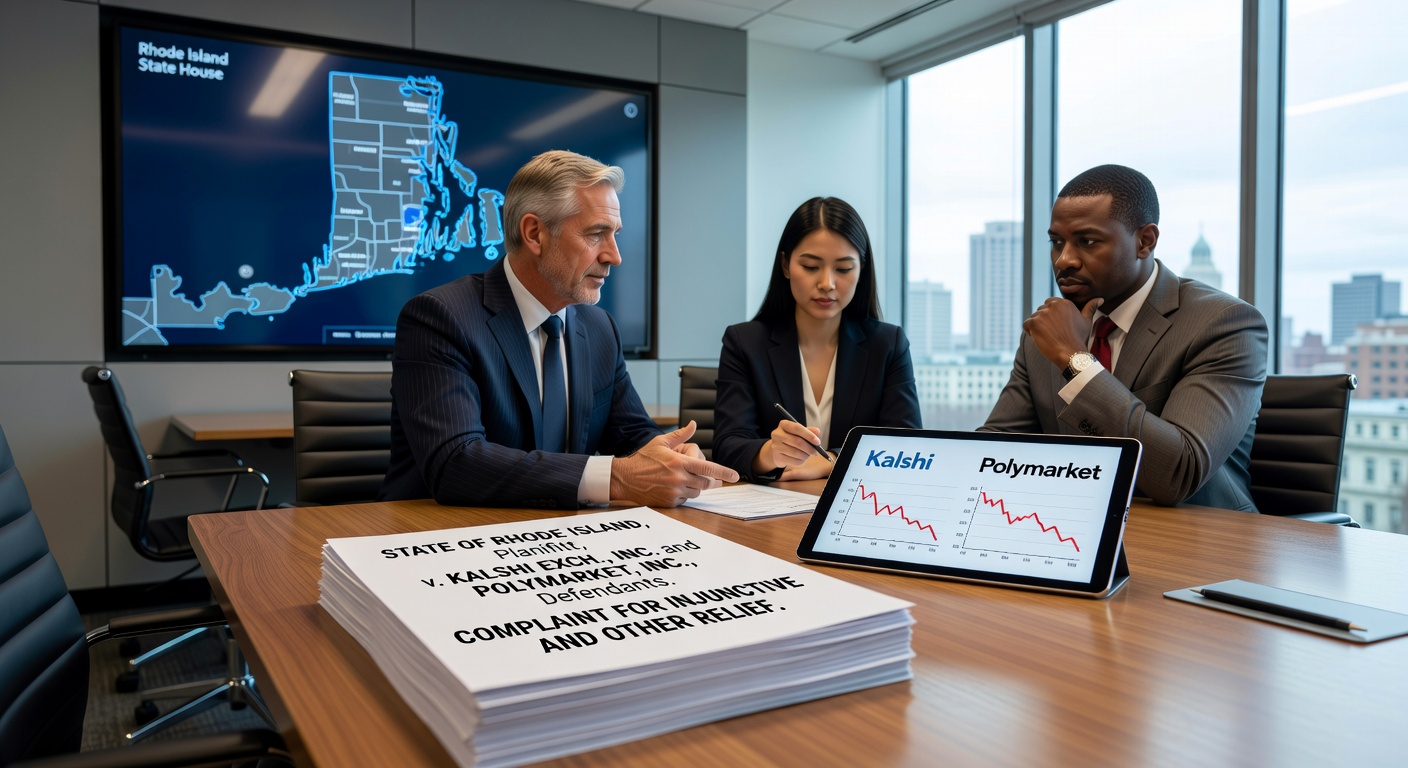
Senators considered several approaches during the session, including expanded federal authority for the CFTC to review event contracts tied to sports results and new disclosure rules for platforms that offer markets on collegiate or professional contests. Blackburn emphasized the importance of preventing markets from becoming vehicles for trading on non-public information, and Cruz inquired about coordination with international operators who accept wagers from U.S. users. The subcommittee reviewed model legislation from states that have implemented real-time data sharing between sportsbooks and leagues, and members discussed whether similar requirements could apply at the federal level to prediction market operators.
Those who follow regulatory developments note that the hearing occurred as several states prepare updated rules for the 2026 sports season, and participants examined how federal action might interact with existing state compacts. Testimony included comparisons of enforcement actions taken against unlicensed operators in prior years, and lawmakers asked about resources needed to monitor an increasing number of daily markets on both major and minor sports events.
Industry and Market Context
Representatives from prediction market companies described their compliance programs and argued that their products differ from traditional sports betting because they settle based on publicly reported outcomes rather than direct wagers against a house. Senators reviewed data on trading volumes for sports-related contracts and considered whether these volumes indicate a need for additional oversight similar to securities markets. The hearing also addressed how collegiate conferences have adjusted their policies in response to betting availability, including restrictions on athlete participation in certain promotional activities tied to gambling operators.
Committee members examined the role of data providers that supply official statistics to betting platforms, and they discussed whether contractual safeguards between leagues and data companies adequately protect against misuse. Witnesses presented examples of how automated monitoring systems flag irregular activity, and senators asked follow-up questions about the speed at which such systems can respond when new markets appear on emerging prediction platforms.
Conclusion
The subcommittee concluded its session by requesting additional information from federal agencies and industry participants, with plans to continue review of legislative options in coming months. Lawmakers indicated that further hearings may address specific proposals for updating definitions in federal law and clarifying jurisdiction over prediction contracts linked to athletic events. The record from this hearing will inform ongoing discussions about maintaining competitive integrity while accommodating the expansion of legal wagering options across the country.