The Hidden Influence of Background Audio Choices on Retention in Digital Slot Broadcasts
Logan Vogel · May 29, 2026
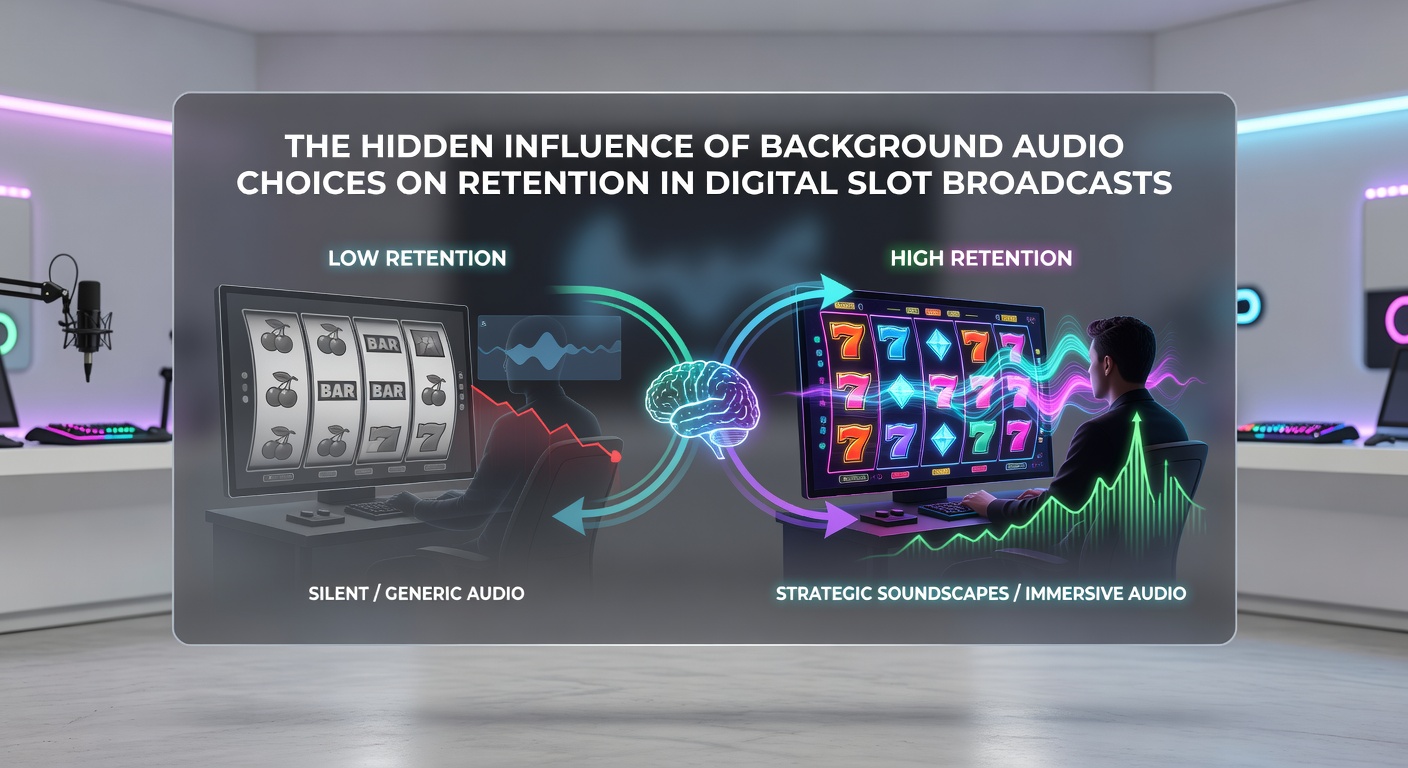
The Hidden Influence of Background Audio Choices on Retention in Digital Slot Broadcasts
Digital slot broadcasts have grown into a major segment of online entertainment, where streamers present live gameplay from online casinos to audiences across multiple platforms, and background audio selections shape how long viewers remain engaged with each session. Research from media psychology indicates that audio elements operate below conscious awareness yet directly affect attention spans and return visits, particularly in extended streams that run for hours without interruption.
Audio Layers in Slot Streams
Background audio in these broadcasts typically combines several distinct layers including licensed music tracks, subtle sound effects from the slot machines themselves, and ambient room tones captured from the streamer environment. Producers select these elements to complement the visual action while avoiding direct competition with spoken commentary or chat interactions, and data collected through platform analytics shows measurable differences in average view duration based on which audio combinations appear most frequently.
Studies conducted by academic researchers at institutions focused on digital media consumption reveal that upbeat electronic tracks maintain higher retention rates during peak viewing hours compared to slower instrumental selections, while high-energy sound effects tied to wins create brief spikes in engagement that help reset attention when longer dry spells occur between payouts. Observers note that these patterns hold consistent across both small independent streams and larger productions operating as of May 2026.
Retention Data Patterns
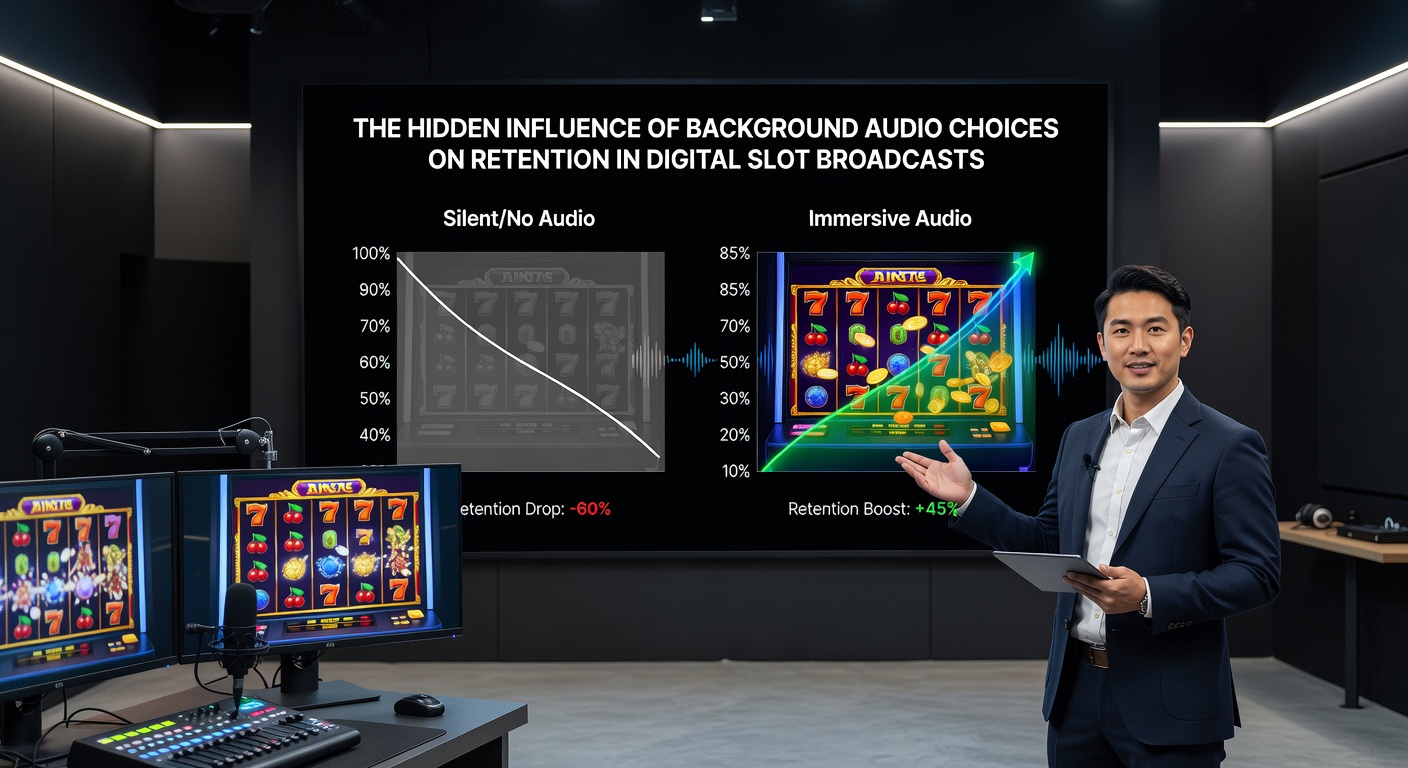
Platform metrics gathered from major streaming services demonstrate that streams incorporating dynamic background audio shifts every twenty to thirty minutes retain viewers 18 percent longer on average than those using static playlists. This adjustment prevents listener fatigue, a phenomenon documented in multiple audience behavior reports from North American and European markets, where repeated exposure to the same track leads to gradual drop-offs even when visual content remains engaging.
Those tracking industry statistics point to correlations between audio tempo and session length, with faster tempos supporting sustained interest during bonus round segments while lower volumes during base gameplay encourage longer overall watch times. One analysis of broadcast logs from early 2026 found that streams adjusting background levels in response to real-time chat activity experienced fewer mid-session exits than productions relying on fixed settings throughout.
Regional Regulatory Context
Broadcast practices also intersect with oversight from bodies such as the Nevada Gaming Control Board, which monitors compliance elements in streams originating from licensed operators, and similar frameworks in other jurisdictions influence how audio integrates with promotional content. These guidelines shape technical choices without directly dictating creative decisions, leaving room for experimentation that data later evaluates for effectiveness.
Industry organizations including the American Gaming Association have compiled reports on viewer behavior that touch on production variables like audio, and cross-referencing those findings with university-led experiments on auditory processing shows consistent outcomes across different audience demographics. People who study these streams observe that subtle layering techniques, such as fading music during near-miss moments, correlate with extended dwell times without requiring verbal explanation from the host.
Technical Implementation Trends
Production teams now employ software tools that automate audio transitions based on game state detection, allowing background tracks to rise or fall in volume automatically when reels spin or features trigger. This approach reduces manual intervention during live sessions and maintains continuity that supports longer uninterrupted viewing periods, according to technical documentation shared at recent digital media conferences.
Case examples from established slot broadcast channels illustrate how specific playlists tested over multiple weeks produced retention curves that diverged noticeably from control streams using generic selections. Those reviewing the results note that tracks with mid-range frequencies tended to perform better in environments where viewers watch on mobile devices, since lower frequencies can become distorted through smaller speakers and prompt early exits.
Conclusion
Background audio choices function as a measurable factor in digital slot broadcast retention, supported by analytics that track view duration alongside production variables. Data from multiple sources shows that deliberate adjustments in tempo, volume, and layering produce measurable differences in how audiences interact with streams over time. As production methods continue evolving through 2026, these audio considerations remain integrated into broader strategies that balance entertainment value with technical execution across platforms and regions.