Tracing the Evolution of Community Challenges in Esports Wagering Content Creation
Drew Meier · May 17, 2026
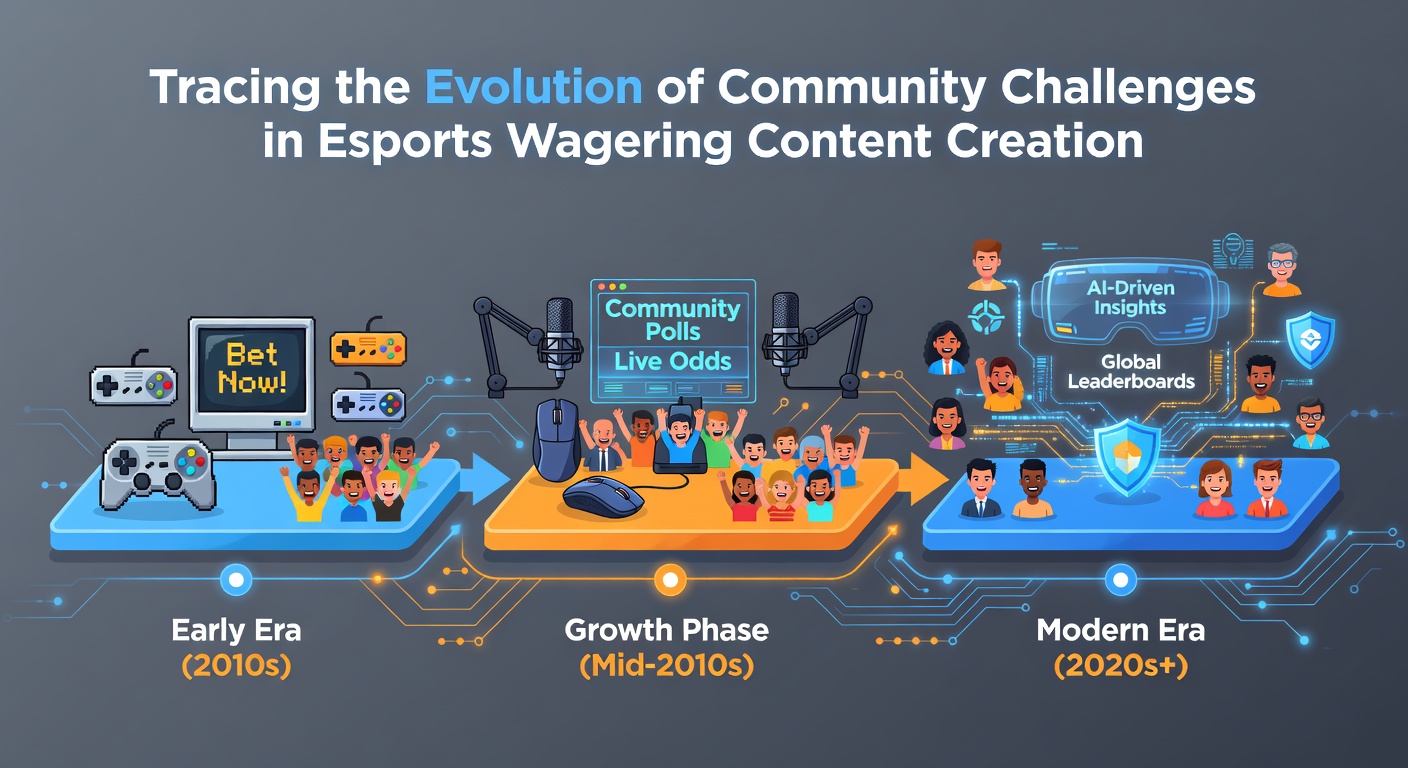
Tracing the Evolution of Community Challenges in Esports Wagering Content Creation
Community challenges in esports wagering content creation began as simple prediction games among small online groups and have since grown into sophisticated viewer-driven formats that blend live interaction with real-time betting mechanics. Observers note that these formats emerged in the early 2010s alongside the first major esports titles like League of Legends and Counter-Strike, when creators hosted basic contests that let followers guess match winners or round counts without direct financial stakes at first. Data from industry reports shows participation rates climbed steadily as platforms added chat tools that allowed instant feedback during broadcasts.
What's interesting is how those early experiments relied on manual tallying of viewer votes and simple point systems that rewarded consistent engagement over several weeks. Researchers at various gaming studies programs found that creators often used spreadsheets shared in Discord servers to track results, which limited scale yet built tight-knit communities around shared risk and reward. And yet the model proved durable enough to attract sponsorships from emerging betting operators seeking exposure in the growing esports audience.
Expansion Through Streaming Platforms
By the mid-2010s streaming services introduced overlays and bot integrations that automated challenge tracking, turning one-off predictions into recurring series with leaderboards updated in real time. Content creators started offering tiered rewards where top predictors received merchandise or small cash equivalents funded through affiliate partnerships. Figures from platform analytics reveal average concurrent viewers for these sessions increased notably between 2015 and 2018 as esports tournaments drew larger global audiences.
But here's the thing: scaling these features required navigating varying regional rules on promotional gambling content. Creators in multiple markets adapted by separating free-to-enter challenges from paid entry events, a distinction that helped maintain compliance while preserving viewer excitement. Those who've studied audience retention patterns indicate that regular community challenges helped streamers maintain loyalty even outside major tournament windows.
Shift Toward Interactive and Multiplayer Formats
Interactive elements expanded further when platforms enabled custom commands that let viewers trigger specific challenge types directly from chat. A typical session might involve poll-based side bets on map selections or player performance metrics, with results resolved on-screen within minutes. Evidence from content archives shows this period coincided with the rise of battle-royale titles whose unpredictable pacing lent itself naturally to frequent micro-challenges.
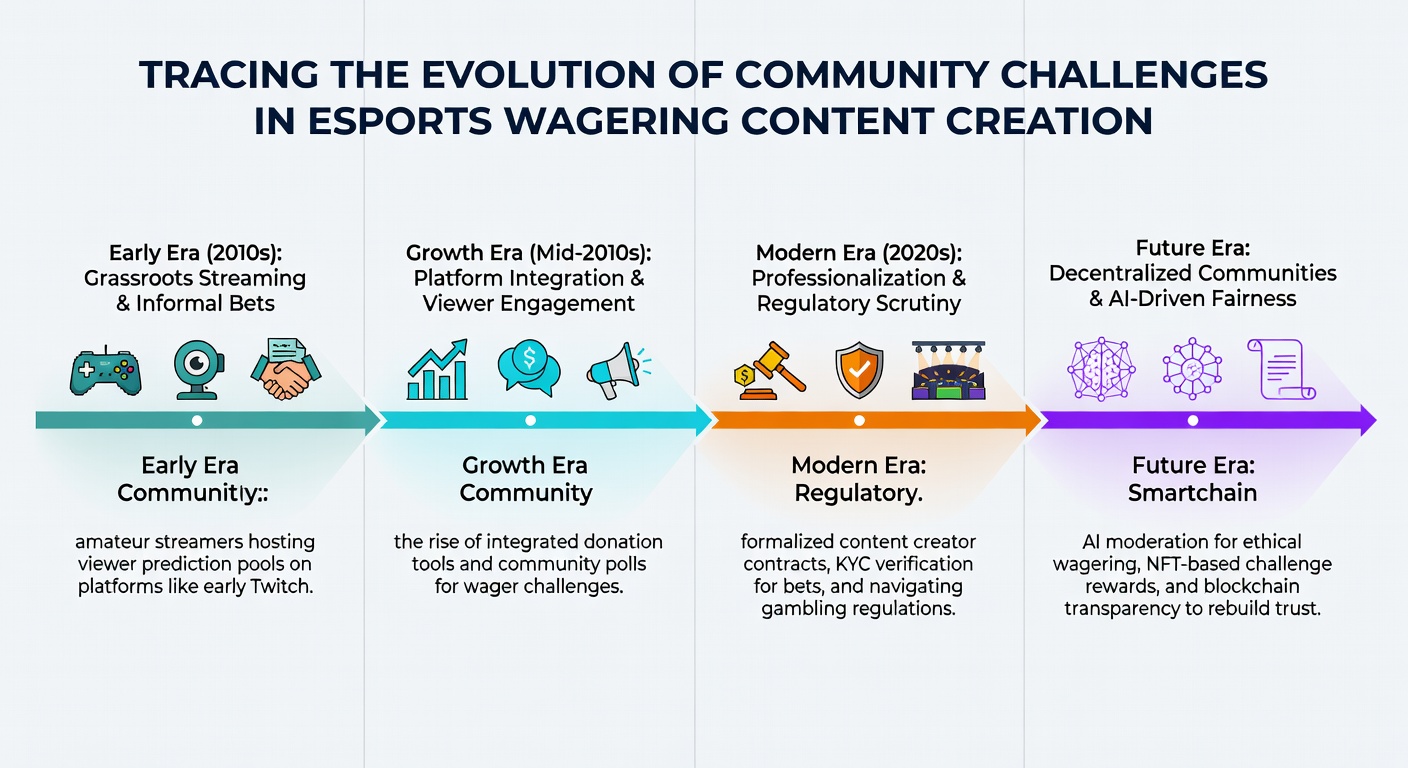
Turns out these tools encouraged cross-platform participation as viewers joined from mobile apps while watching on desktop or console streams. Industry organizations tracking digital engagement reported higher completion rates for challenges that offered both individual and team-based scoring options. One study revealed that collaborative formats reduced churn among newer audience members who benefited from shared decision-making rather than competing alone.
Regulatory Influences and Platform Adjustments
Regulatory developments in various jurisdictions prompted creators to refine disclosure practices and age-gating mechanisms around 2020 onward. Government agencies in North America and parts of Asia issued updated guidance on promotional content that distinguished between skill-based esports predictions and chance-driven wagering elements. Creators responded by embedding clearer terms within their challenge interfaces and partnering with licensed operators for any real-money components.
What's significant is how these adjustments coincided with broader growth in esports viewership during major global events. Data indicates that compliant challenge formats actually sustained audience interest more effectively than less transparent alternatives, as repeat participants valued the structured transparency. In May 2026 several major tournaments highlighted updated challenge rules that aligned with fresh licensing requirements in key markets, demonstrating continued adaptation.
Technological Integration and Data-Driven Challenges
Recent years brought deeper integration between streaming software and betting APIs that allow real-time odds updates tied directly to community votes. Creators now deploy dashboards displaying aggregate predictions alongside live match data, creating a feedback loop that keeps participants invested throughout longer events. Academic papers examining digital media consumption note that such integrations correlate with extended watch times across multiple esports genres.
Yet the core remains community-driven: viewers propose new challenge categories through suggestion threads, and successful ideas migrate into regular rotation after testing periods. Those monitoring platform metrics observe that user-generated challenges often outperform creator-initiated ones in participation volume, underscoring the value of co-creation. External links to resources like the Esports Integrity Commission reports and university-led studies on interactive media provide additional context for these trends.
Conclusion
The evolution of community challenges in esports wagering content creation reflects ongoing interplay between technological capability, regulatory frameworks, and audience expectations. From manual vote counting in small servers to API-linked live dashboards, the formats have adapted while preserving the participatory core that distinguishes them from traditional broadcasts. Observers continue to track how new tools and regional policies shape future iterations, particularly as esports audiences expand into additional demographics worldwide.