Viewer-Driven Decision Trees Shape Live Roulette Selections on Interactive Platforms
Logan Vogel · Jul 7, 2026
Viewer-Driven Decision Trees Shape Live Roulette Selections on Interactive Platforms
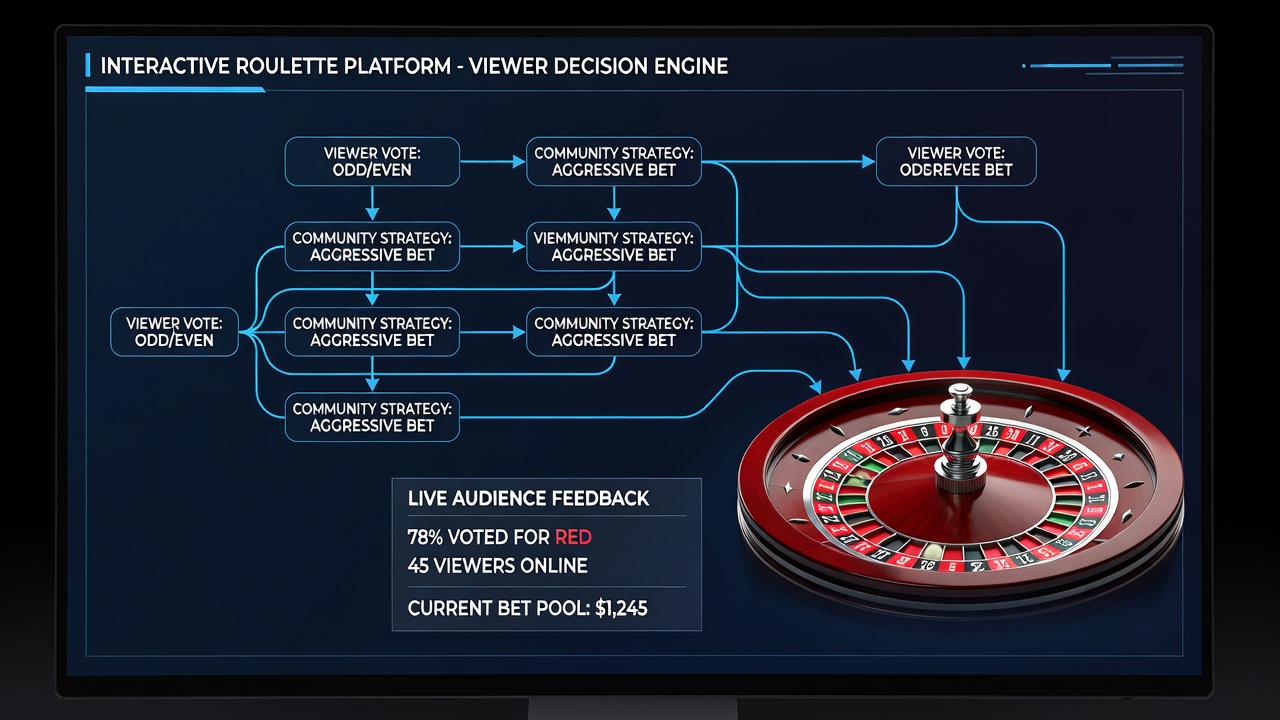
Live roulette broadcasts on interactive platforms now incorporate structured decision trees that route selections based on aggregated viewer inputs, and these systems branch through multiple layers of choices that include wheel variants, betting limits, and bonus round triggers. Observers note that platforms collect real-time data from chat polls and app-based votes, then apply algorithmic paths to determine the next game state without requiring dealer intervention beyond standard procedures. Data from industry reports indicates that such trees reduce average decision latency to under four seconds per branch while maintaining regulatory compliance across multiple jurisdictions.
How Decision Trees Operate in Real-Time Roulette Streams
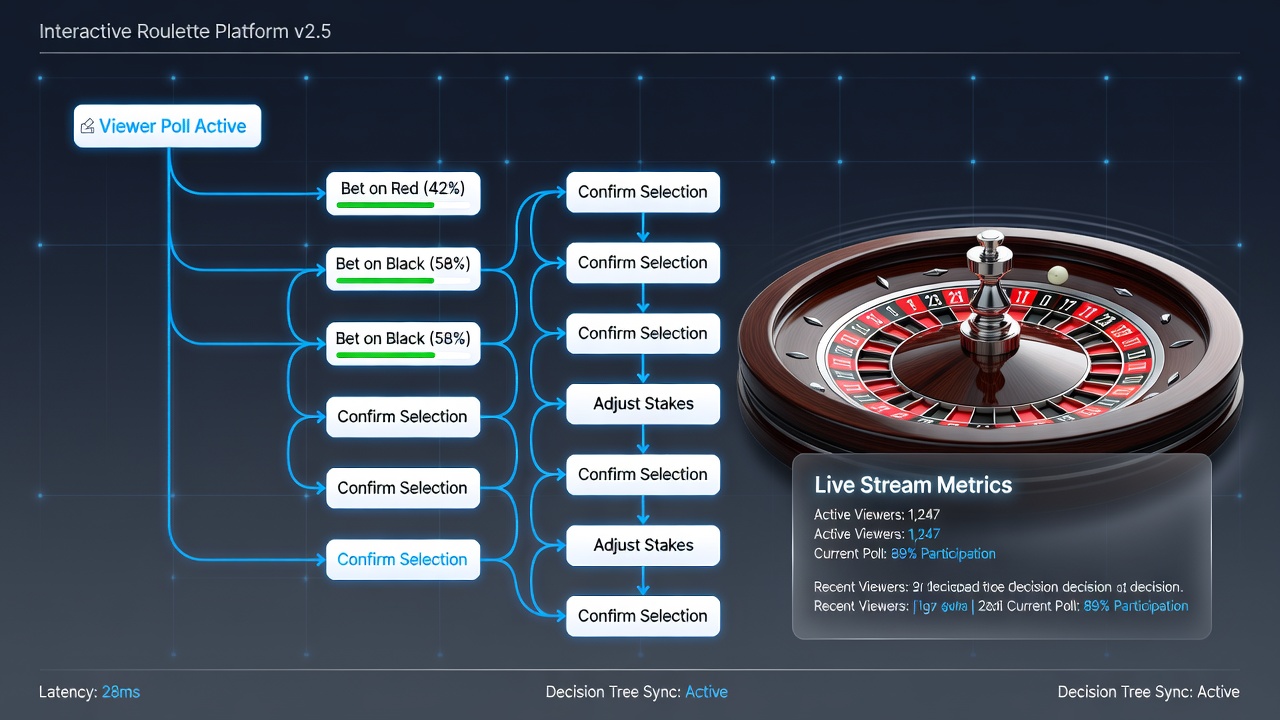
Each decision tree begins with a root node that presents viewers three to five initial options, such as standard European wheel, American double-zero configuration, or speed-optimized variants, and subsequent nodes refine parameters like minimum bet thresholds or side-bet availability. The process continues through weighted voting mechanisms where participation volume from logged-in users determines path probability, and platforms log every transition for audit purposes. Research from gaming technology firms shows that these trees typically contain between seven and twelve decision layers before reaching a terminal state that launches the physical spin sequence.
Viewers interact through synchronized mobile interfaces or embedded chat commands, and the system aggregates responses every thirty seconds during pre-spin windows. When vote thresholds reach predefined levels, the tree prunes lower-probability branches and advances, while tie scenarios trigger secondary tie-breaker nodes that often involve rapid secondary polls. Figures from platform operators reveal that viewer participation rates average forty-two percent of concurrent audience members during peak evening hours in July 2026.
Integration With Existing Streaming Infrastructure
Interactive platforms embed decision tree logic directly into their broadcast overlays, allowing seamless transitions between viewer-selected parameters and live dealer actions. The underlying software interfaces with both the streaming encoder and the roulette table management system, ensuring that selected options appear on-screen before the wheel spins. Technical documentation from developers indicates that these integrations rely on API calls that update game parameters in under two hundred milliseconds, preventing any perceptible delay for either viewers or participants.
Security protocols require encrypted transmission of vote data to prevent manipulation, and multiple platforms employ distributed ledger verification for high-stakes rounds. One study conducted by a European technology institute found that decision tree systems maintained ninety-nine point seven percent uptime across monitored sessions spanning six months. Platforms also implement fallback trees that activate automatically if viewer input drops below minimum thresholds, reverting selections to predefined house defaults.
Viewer Engagement Patterns and Platform Metrics
Analytics collected across major interactive services demonstrate that decision tree features correlate with extended session durations, as users remain connected to monitor how collective choices unfold. Data indicates average watch time increases by eighteen minutes when trees are active compared to traditional non-interactive streams. Participation tends to cluster around high-traffic nodes that involve bonus multipliers or table limit changes, while simpler nodes focused on wheel color selection attract broader but less intense engagement.
Regional variations appear in voting behavior, with North American audiences showing higher preference for speed variants and European users favoring traditional configurations according to aggregated platform statistics. These patterns inform tree design adjustments that operators implement quarterly. Reports from the Canadian Gaming Association highlight that platforms incorporating viewer trees experienced a twenty-seven percent rise in concurrent user counts during the first half of 2026.
Regulatory Considerations Across Jurisdictions
Operators must ensure that viewer-driven selections do not alter core game mathematics or introduce elements classified as player-controlled outcomes under local statutes. Gaming control bodies in Nevada and several Australian states require detailed submission of tree logic and audit trails before approving new interactive features. Compliance teams conduct regular reviews to confirm that branching paths remain within approved parameter ranges and that no single viewer or coordinated group can dominate outcomes.
International coordination efforts continue through industry associations that share best practices on transparency reporting. Platforms publish aggregated decision statistics monthly, allowing regulators to verify fairness metrics. One analysis by an academic research group at a major Australian university confirmed that properly implemented trees preserve house edge percentages identical to those in standard live roulette environments.
Conclusion
Viewer-driven decision trees have become embedded components of live roulette offerings on interactive platforms, connecting audience participation directly to game parameter selection through structured branching logic. The systems rely on rapid aggregation of inputs, secure transmission protocols, and regulatory-compliant audit mechanisms that support continued expansion. As platform capabilities advance, the same frameworks appear positioned for application across additional table game formats while maintaining the factual separation between viewer influence and final random outcomes determined by physical wheels.