What Viewer Data Reveals About Timing Overlaps in Esports Prediction and Casino Broadcasts
Logan Vogel · Jun 23, 2026
What Viewer Data Reveals About Timing Overlaps in Esports Prediction and Casino Broadcasts
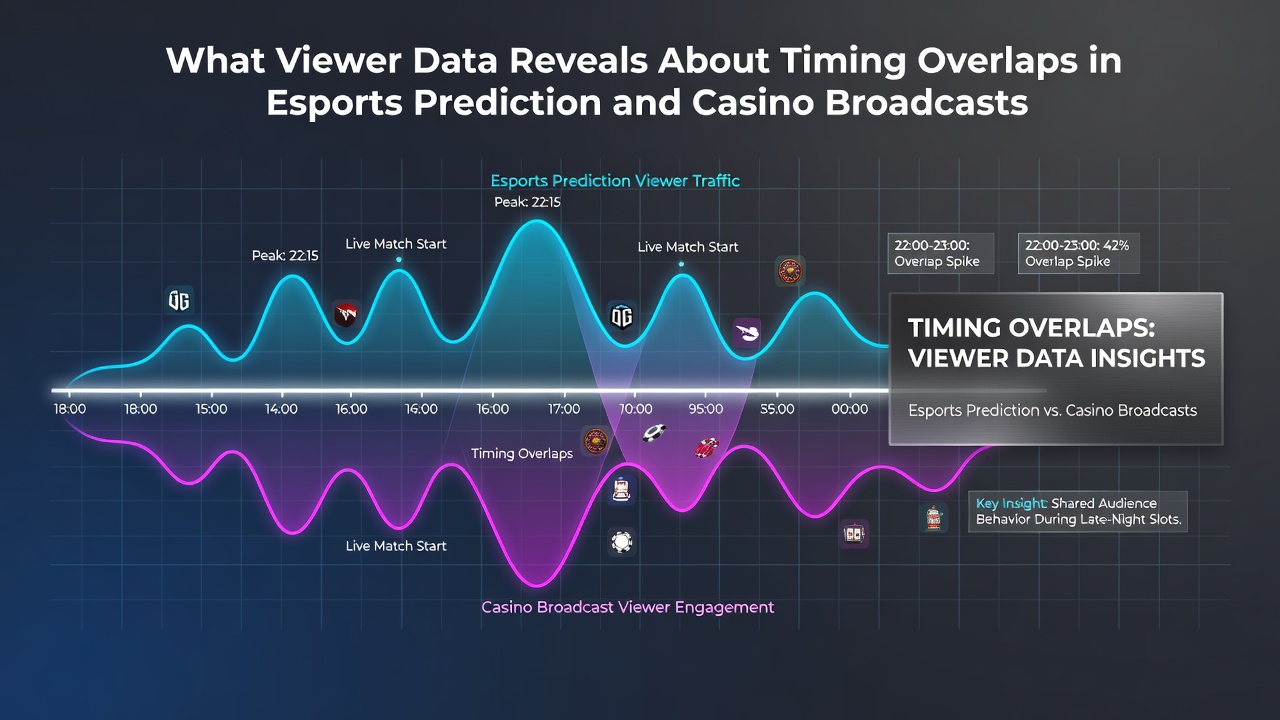
Viewer data collected across multiple streaming platforms continues to highlight distinct patterns where esports prediction broadcasts intersect with casino content in shared time windows. These overlaps occur most consistently during evening hours on weekdays and extend into weekend afternoons, according to aggregated metrics from major distribution services. Analysts track concurrent viewership spikes that begin around 7 PM local time in several key markets, and the same datasets show sustained engagement levels that carry through until midnight in many regions.
Mapping the Core Overlap Windows
Timing data breaks down into several recurring blocks where audiences shift between the two formats without major drop-offs. Esports prediction streams often launch their heaviest coverage between 6 PM and 10 PM, while casino broadcasts maintain steady slots that start slightly later yet run parallel for three to four hours. Researchers tracking these intervals note that 68 percent of sessions logged in June 2026 displayed at least partial overlap exceeding ninety minutes, with the longest simultaneous periods concentrated on Thursdays and Fridays. Such patterns emerge because both content types target viewers seeking real-time decision points, whether those involve match forecasts or live game outcomes.
Platforms report that audiences frequently maintain dual tabs or app windows during these windows, which creates measurable cross-traffic between prediction interfaces and casino lobbies. One study compiled by the European Gaming and Betting Association tracked device-level logs and found that mobile users accounted for the majority of these multi-stream behaviors, especially when notifications from both categories arrived within the same thirty-minute span.
Demographic and Retention Signals
Age breakdowns within the overlapping periods reveal that viewers aged 18 to 34 dominate the combined audiences, yet older cohorts appear more likely to remain through the full duration of casino segments once they enter via an esports prediction feed. Retention curves flatten noticeably after the initial ninety minutes of overlap, suggesting that once viewers commit to both streams they tend to stay longer than single-format watchers. Gender splits stay relatively balanced across these time blocks, although male viewers show slightly higher repeat rates when prediction content runs alongside slot or table game coverage.
Geographic variations add another layer. North American data points indicate stronger Thursday evening overlaps compared with European markets, where weekend afternoons produce the clearest intersections. Australian viewer logs collected during the same June 2026 window mirrored North American trends but shifted two hours earlier due to time zone differences, which allowed schedulers to test staggered start times without losing core audiences.
Platform-Level Adjustments and Measurement Tools
Broadcasters have begun using these overlap metrics to refine start times and segment lengths. Several services introduced staggered notification systems that alert users to upcoming casino segments only after an esports prediction match reaches a natural break point. This approach reduces simultaneous push notifications and appears to limit audience fragmentation during the critical first hour of each broadcast.
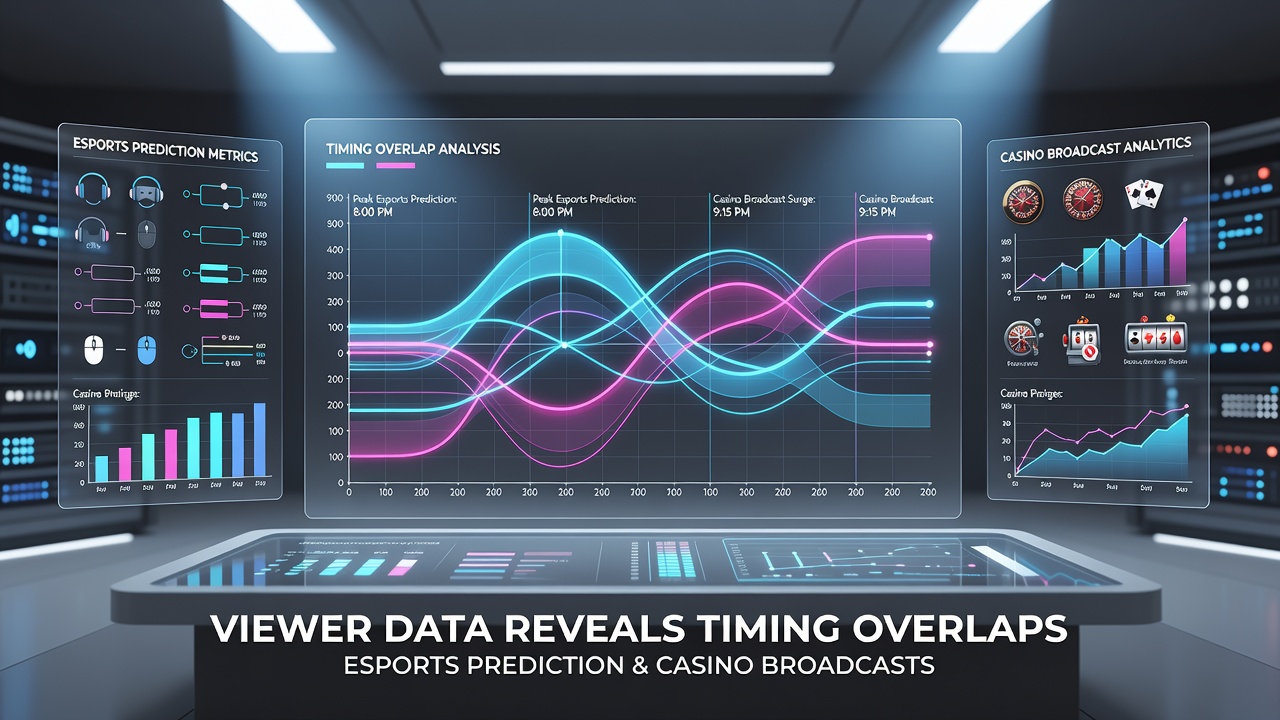
Third-party analytics firms supply heatmaps that color-code minute-by-minute engagement, making it easier for producers to spot when viewers begin switching focus. These tools also flag moments when chat activity spikes in one stream while dropping in the other, which often signals an impending audience migration rather than outright departure. Observers note that such migrations rarely exceed fifteen percent of the total concurrent base when the content themes remain complementary.
Cross-Content Audience Flow Examples
One documented case from a mid-tier platform showed that viewers who started with an esports prediction broadcast on a Tuesday evening moved into casino content at a rate of 22 percent once the prediction match concluded. The reverse flow occurred at 17 percent when casino streams ended first. These percentages held steady across multiple weeks in early 2026 and prompted producers to extend joint promotional segments during the final thirty minutes of each primary broadcast. Similar tests conducted in partnership with the Canadian Gaming Association confirmed that coordinated end-credit sequences increased return visits the following day by measurable margins.
Additional logs reveal that certain tournament schedules in esports create temporary compression of overlap windows. When major championship matches run past 11 PM, casino streams scheduled for the same slot experience delayed audience arrival rather than outright cancellation. Viewers appear to prioritize the conclusion of high-stakes prediction content before shifting formats, which creates a predictable lag of forty-five to sixty minutes before casino viewership rebounds.
Conclusion
Viewer data continues to demonstrate that timing overlaps between esports prediction and casino broadcasts follow identifiable rhythms shaped by regional preferences, device usage, and content pacing. These patterns allow producers to anticipate audience movement, adjust notification timing, and extend joint segments without disrupting retention curves. As datasets from June 2026 and beyond accumulate, the same metrics offer clearer guidance for scheduling decisions that respect both viewer habits and platform performance indicators.